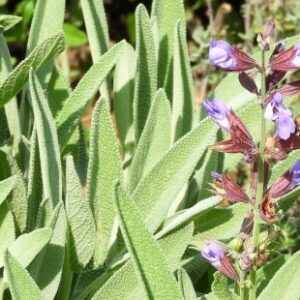
Strong disinfectant, broad-spectrum antiviral, antibacterial, antifungal, anti-inflammatory, mucolytic, choleretic, circulation-stimulating, general tonic.
Recommended uses
- Musculoskeletal complaints: rheumatism, sciatica, lumbago, joint pain, inflammations
- Respiratory complaints: bronchitis, upper respiratory tract infections, nasal mucosa inflammation, pneumonia
- Digestive complaints: infections, inflammations, diarrhea
- Skin infections
- Oral inflammations
- General fatigue
- For respiratory infections: chest and back rub
- Mix 1 drop of thyme oil with 20 drops of carrier oil, apply 2–3 times a day for one week.
- Inhalation, diffusion: Add 1–2 drops to an aroma lamp or diffuser. Blends well with lemon, tea tree, and eucalyptus radiata essential oils.For skin infections, acne: Mix 1 drop of thyme oil with 20 drops of carrier oil and apply to the affected area.
Contraindications
Not recommended for pregnant or breastfeeding women and children under 6 years of age.
May cause skin irritation if used undiluted. Always dilute in a carrier oil and use at a maximum concentration of 1 percent essential oil.
Warning
The effects and applications listed are for informational purposes only and do not replace treatment prescribed by a qualified healthcare professional or consultation with a certified aromatherapist.
Always use essential oils with caution. Especially in case of pregnancy, breastfeeding, in children, elderly or weakened individuals, or any medical condition, consult your physician or a qualified aromatherapist. Do not apply essential oils undiluted to the skin.
Some components of essential oils may cause allergic reactions in sensitive individuals. Before first use, perform a patch test: mix 1 drop of essential oil with 1 coffee spoon of vegetable oil. Apply to the inside of the elbow and cover with a plaster. If no redness, itching, or other reaction occurs within 24 hours, the essential oil can be used safely.